

World Pasta Day
October 25 is World Pasta Day. Yes, even our most beloved dish deserves its own world day.
Here are some interesting facts and tips from Weissestal on how to enjoy it in style, like true Italians!
The idea of establishing a World Pasta Day was born in 1998, in Naples, during the first edition of the world pasta producers' congress, organized by the World Pasta Union and the IPO (International Pasta Organization).
But the history of pasta has much older roots, so much so that one of the first forms of human nutrition was a sort of mixture of crushed seeds and legumes mixed with water, first raw and then cooked.
In fact, many centuries before Christ, the Etruscans and Greeks already produced and consumed certain types of fresh pasta, although perhaps more similar to our modern concept of "sfoglia" than pasta. These sheets, cut into strips, were called "laganon" and were also appreciated in Roman culture and mentioned by Cicero and Horace, who declared themselves to be fond of them, especially in the form of a sort of flatbread made from flour cooked in water without yeast. By using several strips and overlapping them, a sort of lasagna was obtained.
The Treccani encyclopedia defines pasta as "the Italian food par excellence," but we cannot pinpoint exactly which people officially "invented" it because, as we have seen, the earliest forms of pasta date back to prehistoric times.
However, the playwright Aristophanes describes in one of his works a type of pasta similar to our modern ravioli and, again according to the Treccani encyclopedia, the true origins of pasta as we know it today can be found in Persian and Greek civilizations.
In one of the first cookbooks to have survived to the present day, De arte coquinaria (Latin for "The Art of Cooking"), dating back to the year 1000, Martino Corno, chef to the Patriarch of Aquileia, describes the first pasta-based recipe, imported from Sicily. It was the Arabs who spread the use of pasta in the Mediterranean, but it was not until 1295, according to tradition, that Marco Polo introduced pasta to Westerners after eating it in China, and by the early 14th century there is evidence of pasta factories springing up in Genoa.
Whatever its origin, pasta now plays a primary role in our diet, so much so that it is estimated that an Italian consumes an average of over 23 kg of pasta per year!
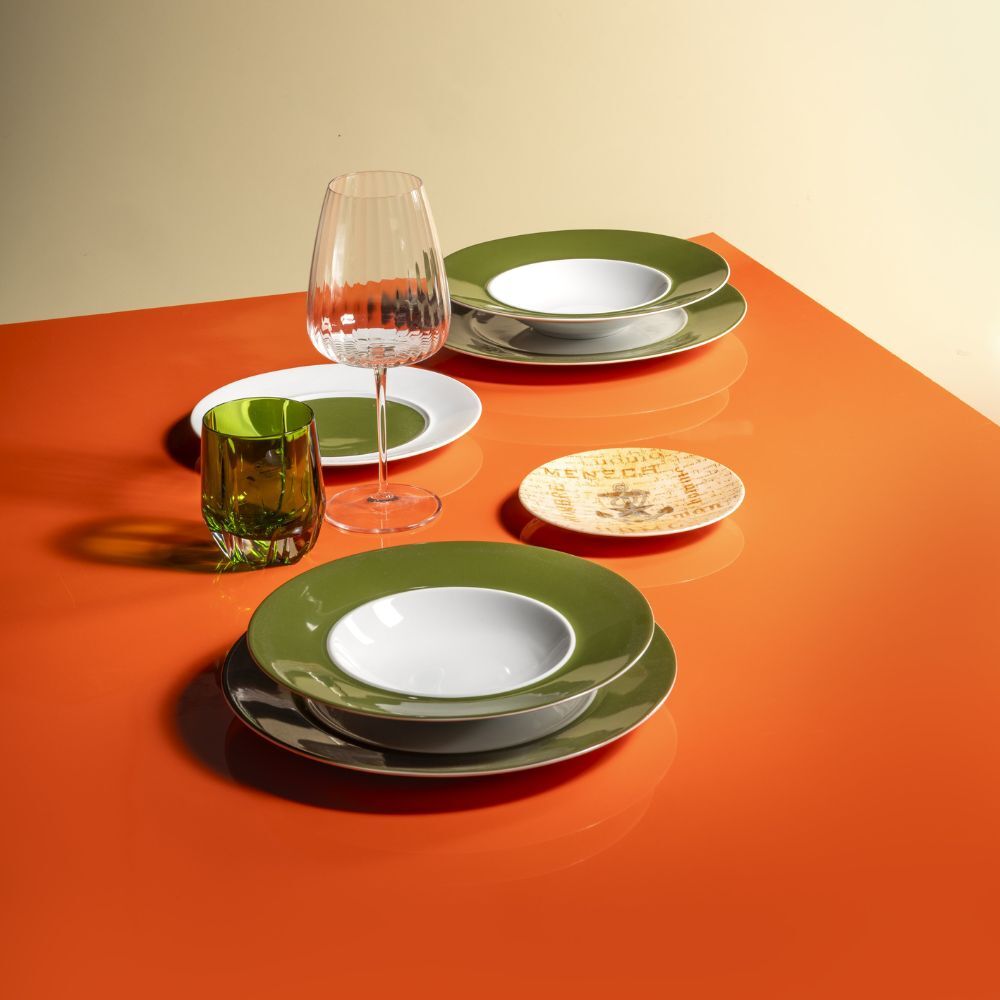
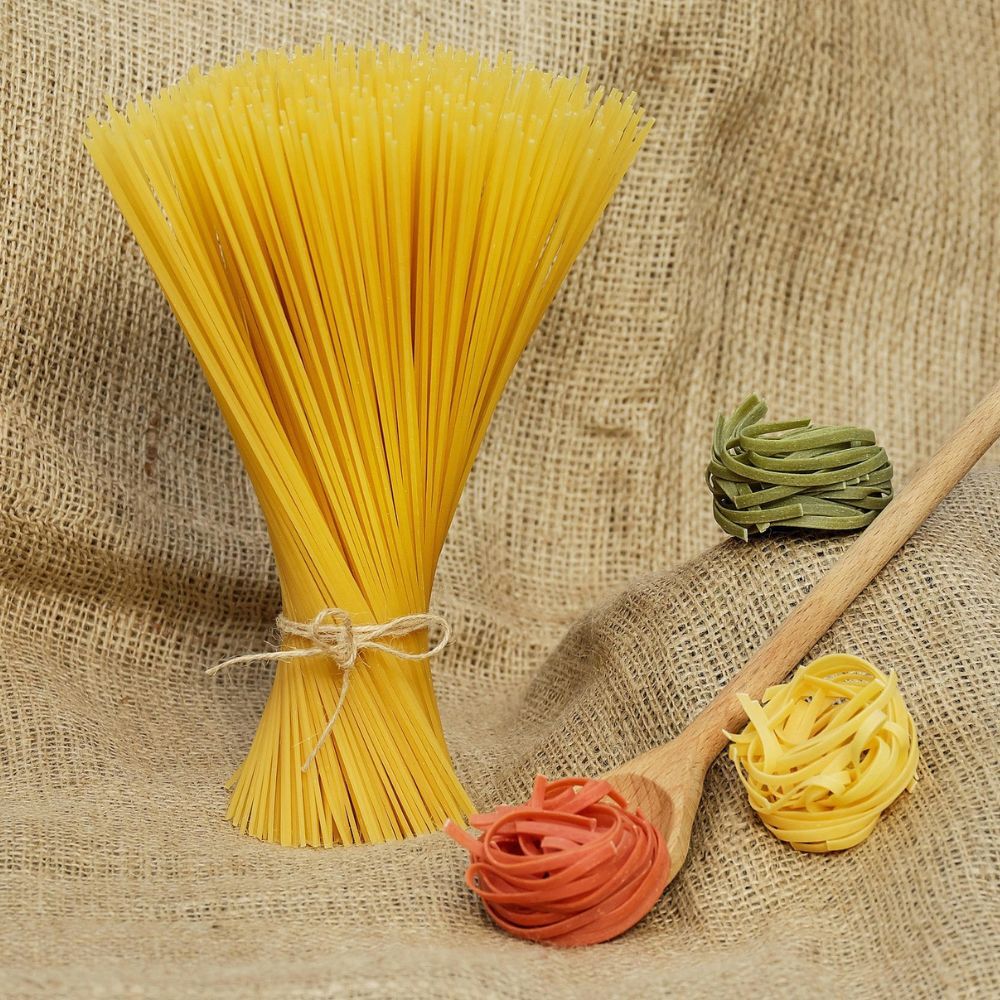
Long or short, egg-based, fresh or dry, bought at the supermarket or homemade, the important thing is to eat it with style (and not cut the spaghetti!). Here is a gallery of our best porcelain dishes designed for enjoying an excellent, steaming plate of pasta.
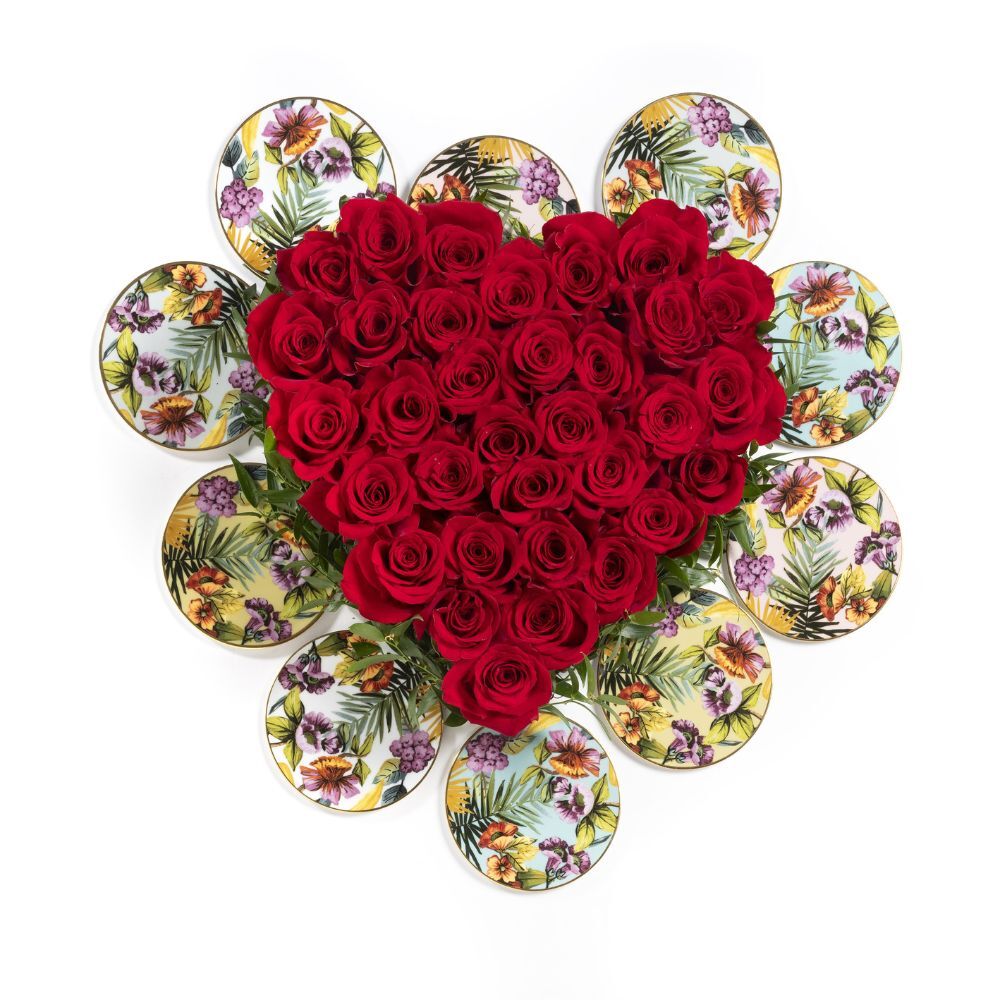
From elegant pasabowls to gourmet winged plates, with precious finishes and exclusive collections designed by Andrea Castrignano and Simone Guidarelli, it doesn't take much to savor the culinary art of pasta: a beautifully set table with the right accessories, a good glass of wine, and your favorite people. Get your fork ready, we'll take care of the mise en place!
To enjoy perfect pasta